
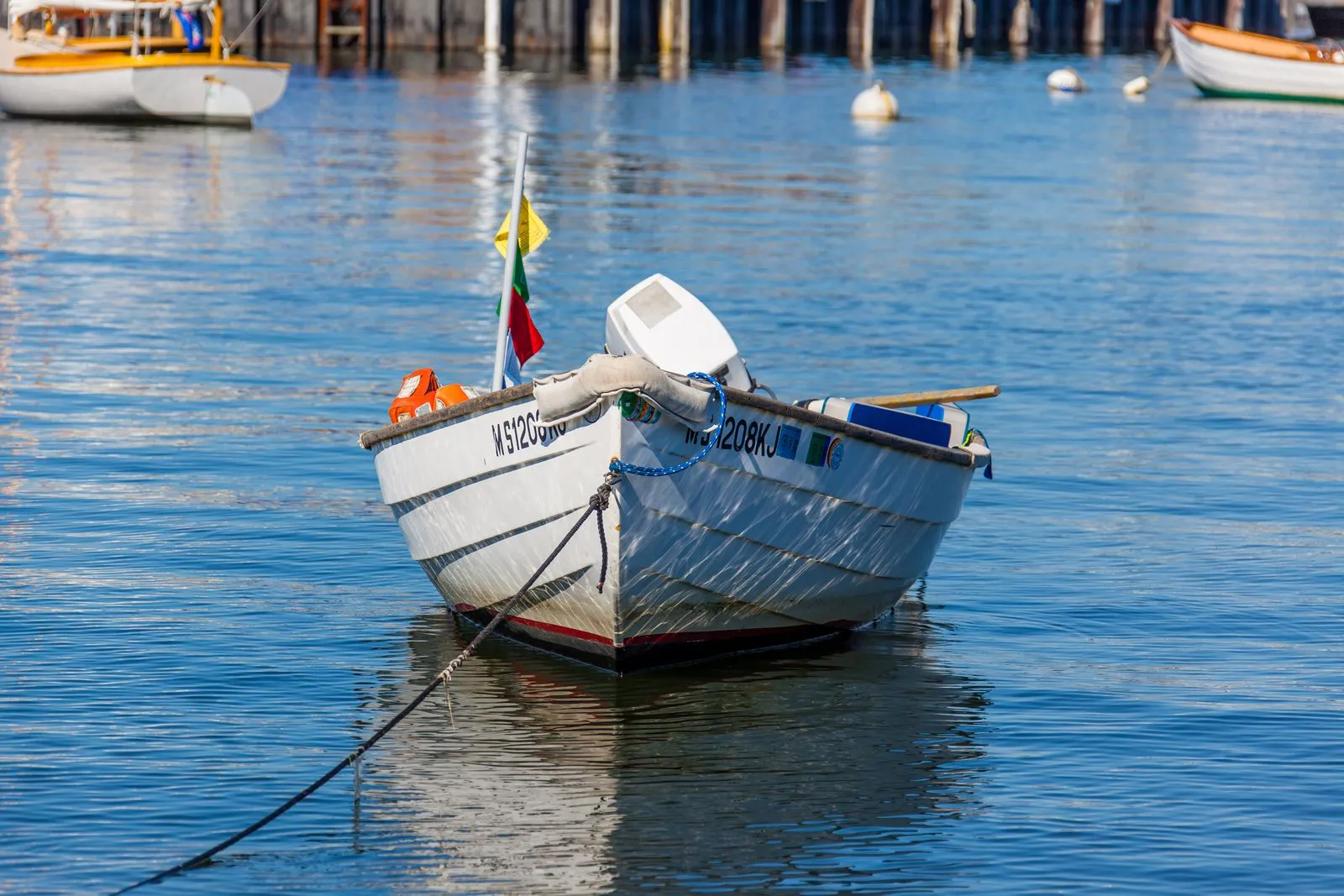
Catch-and-release fishing means returning a fish to the water rather than keeping it. The goal is to make that return as safe as possible. A fish can be stressed by a long fight, rough handling, or too much time out of water, so good release practices start before the hook is set. With suitable tackle and a few careful steps, anglers can reduce avoidable harm and give a fish a better chance to recover.
Prepare Before You Cast
Choose tackle suited to the fish you expect to catch. Gear that is too light can prolong the fight and tire a fish; appropriately strong line and tackle help you bring it in promptly without forcing it recklessly. Check local rules for restrictions on tackle, bait, and hooks, since requirements can vary by water and species.
Make the release setup easy to reach before fishing. Keep pliers or a hook-removal tool nearby, wet your hands before handling a fish, and have a landing net ready if appropriate. Barbless hooks or hooks with flattened barbs can make removal faster. Avoid setting up a camera or searching through a tackle box while the fish is waiting out of water.
Fight and Handle Gently
Use steady pressure to bring the fish in without dragging the fight out. Avoid cranking against a fish that is making a strong run; keep tension on the line and guide it toward you when it slows. The aim is a controlled landing, not exhaustion. Conditions such as warm water can make recovery harder, so keep the fight especially efficient when fish may already be under stress.
Wet your hands before touching the fish, and support its body rather than squeezing it. Keep fingers away from the gills and eyes, and do not lift a fish by its jaw unless that method is appropriate for the species and its size. A rubberized, knotless net can help limit contact, but do not leave the fish trapped in it longer than necessary.
Remove the Hook Quickly
Keep the fish in the water while removing the hook whenever you can. Hold it securely but gently, then use pliers or a hook-removal tool to work the hook back along its entry path. Avoid pulling hard or twisting against resistance. If the hook is deeply embedded and removal would cause more injury, follow local guidance; cutting the line close to the hook may be the safer option in some situations.
Limit air exposure to only what is needed. If you want a photo, prepare the camera first and keep the fish close to the water, supporting its body with both hands. Never hold a fish over a hard surface or let it hang vertically for a photo. Return it to the water promptly rather than taking repeated pictures.
Release and Check Recovery
Place the fish gently in the water and let it orient itself. In moving water, face it into the current so water can flow across its gills; in still water, hold it upright without moving it back and forth. Give it time to regain balance and swim away under its own strength. Do not toss it or push it forward and backward, which can interfere with normal water flow over the gills.
If the fish does not swim off right away, continue supporting it in the water and allow it to recover. Minimize handling and avoid repeatedly lifting it to check its condition. Follow local fishing regulations and species-specific guidance, especially where special handling rules apply. Canal & Cast can help anglers practice these careful habits while fishing in the Princeton, New Jersey area.
A responsible release begins with prepared gear, a controlled fight, gentle handling, and as little time out of water as possible. Let the fish recover in the water before it swims away. Apply these steps on your next trip, and ask Canal & Cast about practicing catch-and-release techniques on the water.